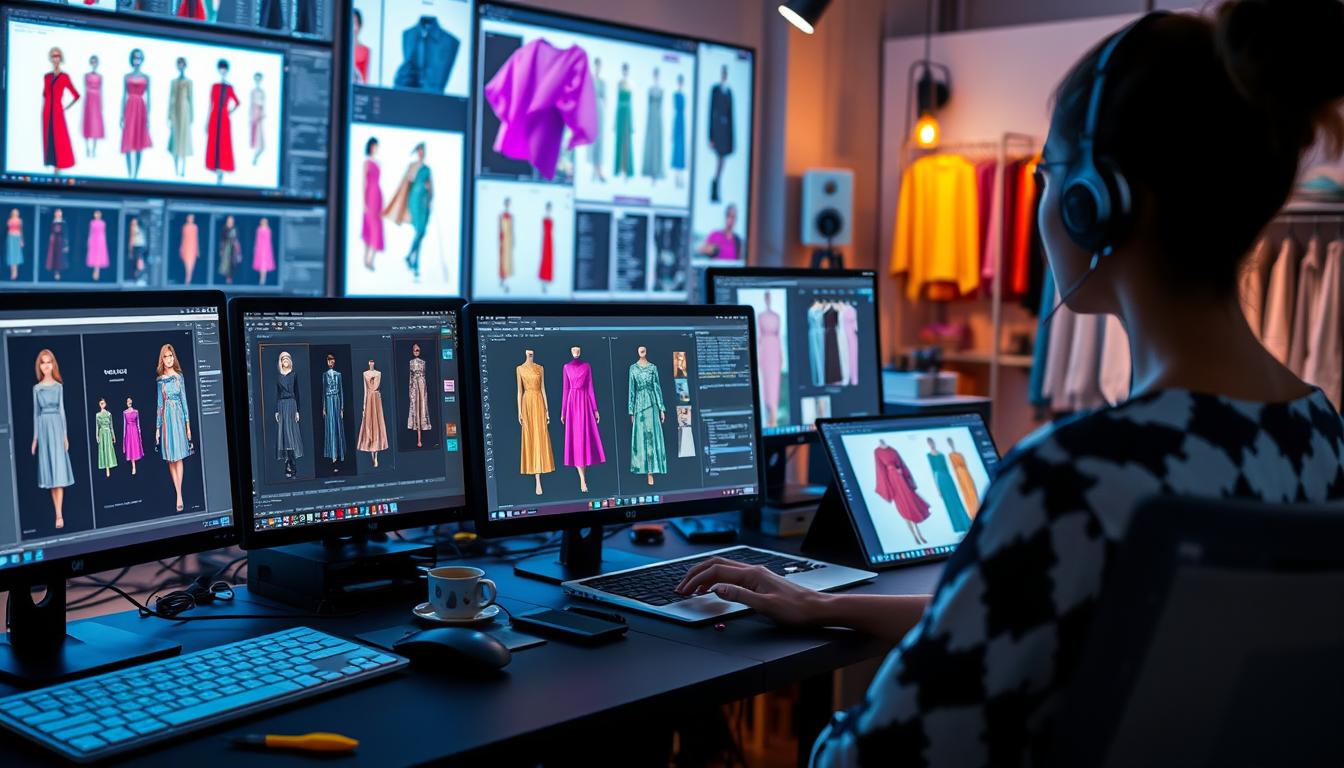

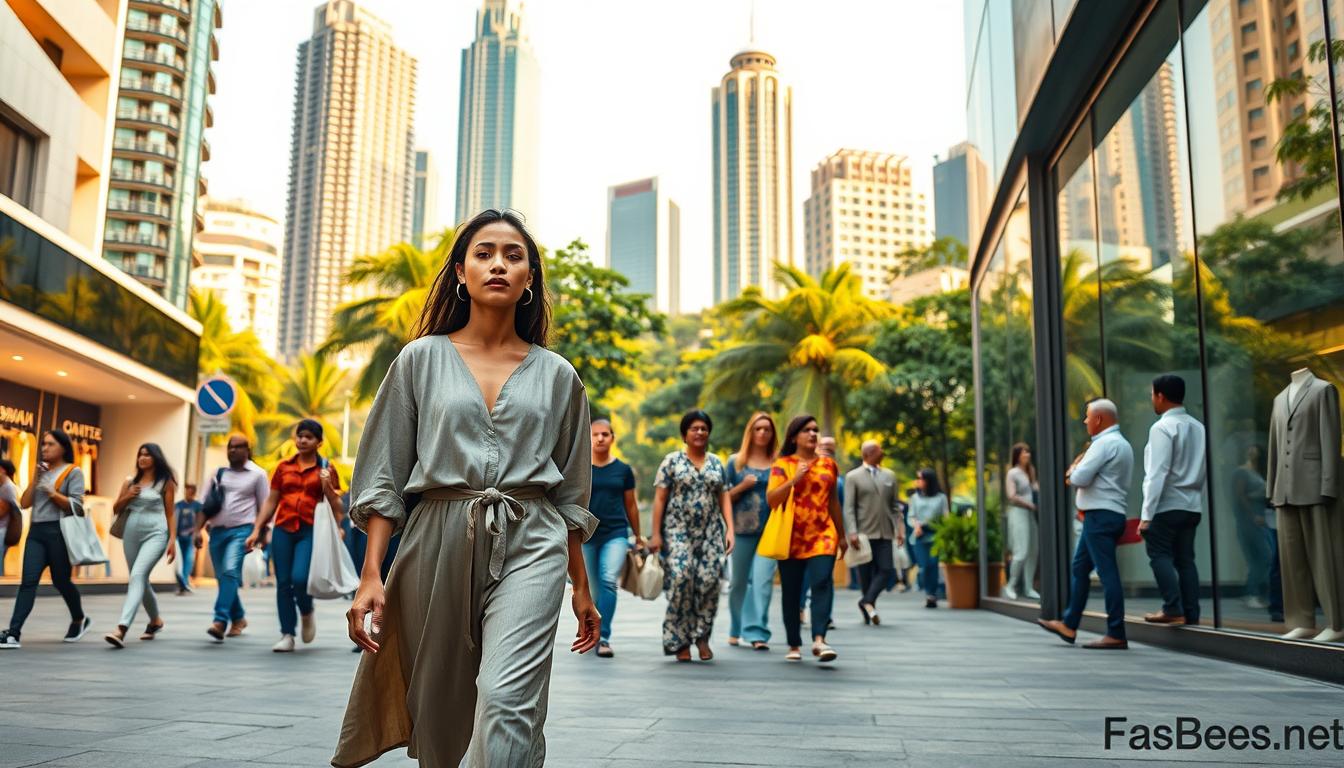
Welcome to the world of fashion growth in India. Here, tradition meets modern style in a beautiful way. India’s rich culture is the base for the growing love for Indian fashion. This creates big chances for new and old designers alike.
As we look into this booming industry, we see how important sustainable fashion is becoming. People are now thinking more about the planet when they shop. This change affects how they buy and what brands do.
In India’s fashion world, you’ll find many chances thanks to the economy, culture, and global trends. The mix of old skills and new designs is changing the market. It’s time to talk about making fashion more sustainable. Let’s start exploring!
Key Takeaways
- India’s fashion industry is thriving, driven by a mix of cultural heritage and modern aesthetics.
- The shift toward sustainable practices is becoming integral in shaping consumer preferences.
- Emerging designers are blending traditional techniques with contemporary trends for unique offerings.
- Environmental awareness is influencing the buying choices of Indian consumers.
- The growth of e-commerce is revolutionizing the way fashion is consumed in India.
Overview of Fashion Growth in India
The Indian fashion industry is changing fast. It’s blending modern designs with traditional styles. This change is making the fashion industry grow, with new trends and key players shaping what people want to wear.
Current Market Trends
E-commerce is a big deal in Indian fashion now. Social media like Instagram and Facebook are also playing a big role. They let people connect with brands and local artists in new ways.
There’s a growing interest in sustainable fashion and ethnic wear. This shows that people’s tastes are changing. With more people moving to cities and having more money, they’re looking for different fashion options.
Growth Statistics
In 2023, online fashion sales in India are expected to grow fast. They’re expected to reach USD 50 billion by 2026. This shows that more people are shopping online for clothes.
By 2025, e-commerce fashion sales could hit USD 35 billion. This shows there’s a lot of demand for online shopping in fashion.
Key Influencers
Important figures in Indian fashion are making a big impact. Designers like Manish Malhotra and Sabyasachi Mukherjee are leading the way. They have stores in big cities around the world.
They’re not just designers; they’re also talking about important issues like sustainability. They use social media to reach out to a new generation. This generation values both style and doing good.
The Shift to Sustainable Fashion
Sustainable Fashion in India is becoming more popular as people think more about what they buy. The clothing industry has a huge impact on the environment. Now, we’re focusing on both style and the right way to shop.
Definition of Sustainable Fashion
Sustainable fashion means clothes made to be kind to the planet and people. It uses green materials and fair production methods. Brands want to make fashion and nature work together better.
Importance of Environmental Awareness
Knowing about the environment is key in fashion today. The industry is a big polluter. We need to choose clothes that are good for the planet.
By choosing eco-friendly brands, we support a greener future. This encourages us to think about our shopping habits and their impact.
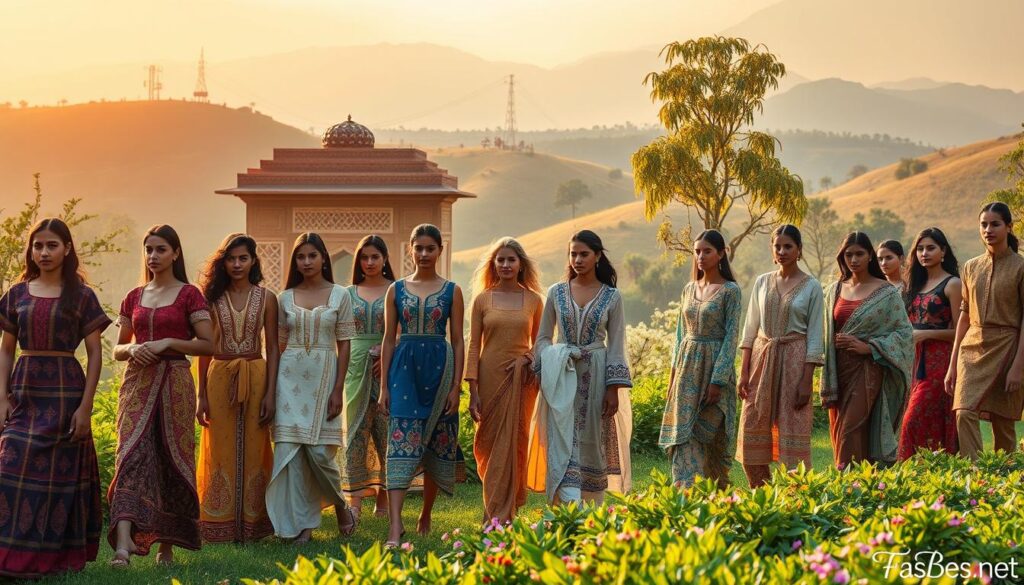
Key Drivers of Fashion Growth in India
The Indian fashion industry is changing fast. Several key factors are driving this growth. These include economic trends, cultural shifts, and globalization’s impact.
Economic Factors
The Indian fashion sector is growing quickly. It’s expected to hit around $300 billion by 2026. This growth shows a 10-12% annual increase from 2021.
Rising incomes and more people living in cities have expanded the market. Online fashion sales now make up about 30% of all fashion sales in 2023. Young people, or 50% of the market, are pushing for new fashion trends.
Cultural Influences
India’s rich culture deeply influences its fashion. Textiles and festivals like Diwali offer a wide range of fashion choices. About 65% of consumers want brands that are open about their production.
The ethnic wear market is worth $50 billion. It’s expected to grow by 15% in the next five years. This shows cultural styles are key in modern fashion.
Globalization’s Impact
Globalization has changed Indian fashion a lot. Designers now show their work worldwide. This mix of global and local styles adds diversity to Indian fashion.
As you look at these changes, think about how they meet the growing demand for sustainable fashion. Check out the impact of these evolving patterns and how they align with sustainability.
Major Fashion Trends in India
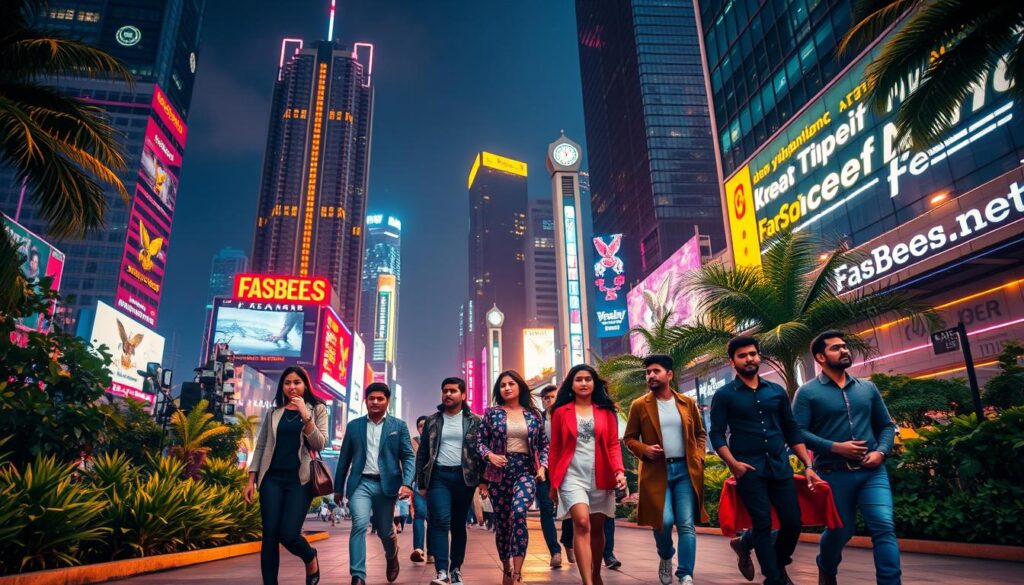
Indian Fashion Trends are changing fast. The mix of traditional and contemporary styles is making fashion exciting. The rise of athleisure is also changing how we think about comfort and style. Digital platforms are key, showing these changes and linking people with new trends.
Traditional Meets Contemporary
Now, traditional styles are blending with modern ones. Designers are making unique pieces that honor India’s heritage and fit today’s life. This mix keeps cultural identity alive and attracts young people who love these fresh styles.
Rise of Athleisure
The rise of athleisure is a big deal in fashion today. Comfort is key, so athleisure goes from the gym to everyday wear. Young people love it because it’s comfy and stylish.
Digital Influence on Fashion
Digital platforms are big in shaping Indian Fashion Trends. Social media lets designers reach more people, get feedback fast, and find inspiration. For example, H&M working with Anamika Khanna shows how traditional meets contemporary and how digital changes things.

The Rise of Indian Designers
Indian Designers in Fashion are making a big splash, bringing fresh talent and new ideas. They mix old traditions with modern styles, catching eyes everywhere. Their focus on sustainability and ethics is changing how we shop.
Spotlight on Emerging Designers
New faces are changing the game for Indian fashion worldwide. They use eco-friendly materials, showing they care about style and the planet. This appeals to 85% of shoppers who value sustainability.
Innovations in Design
Designers are trying out new things like vegan leather and bamboo silk. They mix old Indian fabrics with new shapes, showing their creativity. Their work is seen at big events like Paris Fashion Week, where they get to show off.
Global Recognition of Indian Brands
Indian brands are getting noticed globally. They team up with big names like Moschino, boosting their fame. Buying into Indian brands, like Sabyasachi Mukherjee’s, shows the world’s interest in Indian talent. Seeing Indian designers on international runways is making them more popular.
Sustainable Practices in Indian Fashion
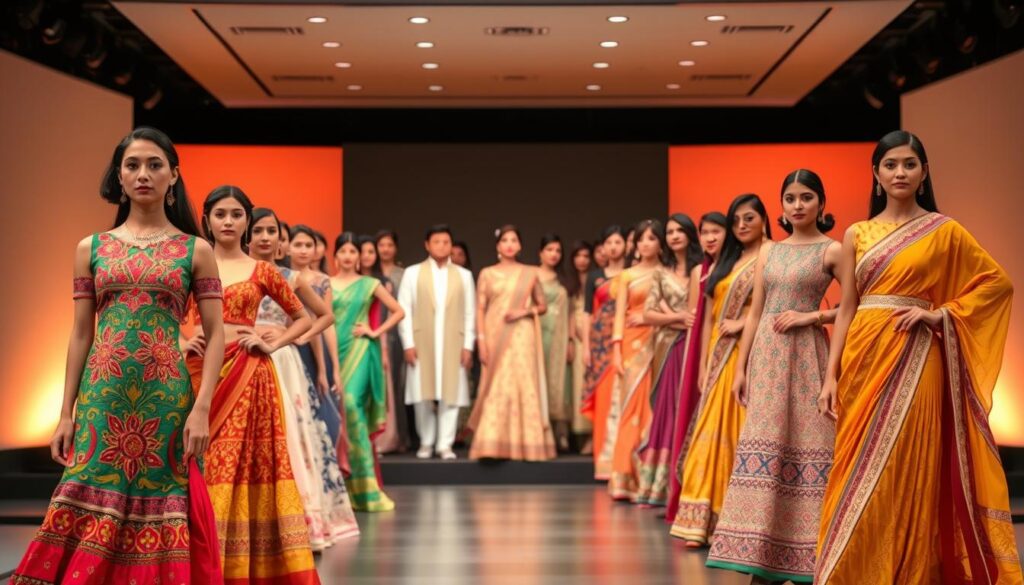
More Indian brands are focusing on sustainable fashion. They want to use eco-friendly materials and follow ethical production methods. This shift is because people are now more aware of how their choices affect the environment.
Eco-friendly Materials
Brands are choosing materials that are better for the planet. Organic cotton, handloom weaves, and natural dyes are favorites. Organic cotton uses less energy and water than regular cotton.
By 2022, India had produced about 1.23 million tonnes of organic cotton. This shows India’s commitment to sustainable fashion.
Ethical Production Processes
It’s important to make clothes fairly and support local artisans. Companies are working to keep traditional skills alive while treating workers right.
47% of Indians want to buy products made ethically. This shows people are starting to care more about sustainability.
Waste Reduction Strategies
Fast fashion creates a lot of waste. But, new ideas like rental platforms are helping. By Rotation lets people rent luxury clothes, reducing waste.
This approach supports sustainable fashion and helps the environment. As fashion evolves, reducing waste will become even more important.
The Role of E-commerce in Fashion
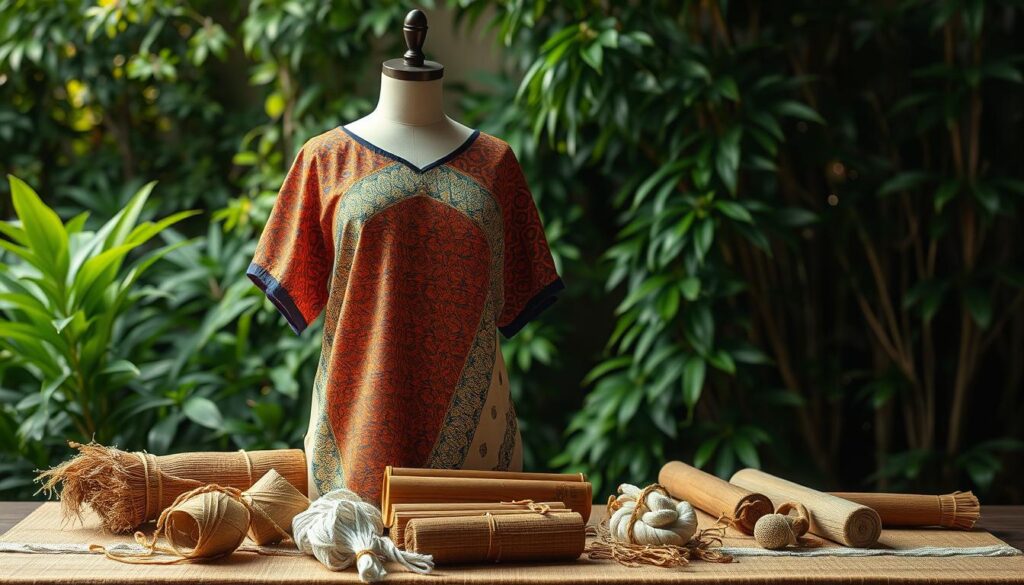
E-commerce has changed the way we shop and interact with brands. Online shopping is growing fast, making it easy and convenient. This shift is forcing brands to keep up with changing consumer habits.
Growth of Online Retail
The online fashion market in India is set to hit $14.4 billion by 2023, growing 18.5% each year. Better logistics and warehouses are creating jobs in e-commerce. The fashion industry is booming, with a possible doubling in six years.
Consumer Behavior Changes
More than 75% of shoppers now look for better deals. Social media, like Instagram, is key for discovering fashion, with 70% of users using it for this purpose. Generative AI could offer personalized shopping experiences, which 81% of customers love.
Impact on Local Stores
Brick-and-mortar stores must adapt to e-commerce’s rise. They can partner with online platforms and use digital marketing to stay competitive. By 2025, social commerce could make up 20% of all sales, pushing local stores to offer online shopping options.
Fashion Influencers and Social Media
Fashion Influencers have changed the way we see Social Media in Fashion, mainly in India. Instagram and TikTok are key places for them to share style trends and support sustainable fashion. As these platforms grow, influencers connect deeply with their fans, guiding them towards eco-friendly fashion choices.
Role of Instagram and TikTok
Instagram and TikTok are key in setting fashion trends and shaping what people think. They let influencers share new fashion ideas that catch their followers’ attention. About 52% of users say Instagram Reels inspire their fashion choices.
With nearly 50% of Millennials trusting influencers for product advice, these platforms are essential for brands. They help brands reach their audience effectively.
Influencers in Promoting Sustainable Style
Fashion Influencers are at the forefront of promoting sustainable fashion. They share eco-friendly choices in a way that connects with their followers. This builds a community focused on sustainability.
Campaigns like FabIndia’s #FindYourGulabo have shown success, boosting sales by 22% in targeted areas. Brands and influencers work together to promote products and raise awareness about responsible fashion. This is seen in more brands adding sustainability to their marketing.
Authenticity in Digital Marketing
Authenticity in Fashion Marketing is key today. Influencers add a real touch to marketing with relatable stories and shared experiences. This has led to a shift, with nearly 67% of fashion brands in India using influencer marketing.
This approach builds trust, encouraging consumers to engage with brands in meaningful ways. It influences their buying decisions. For more on this trend, read about the impact of influencers on fashion trends.
Consumer Preferences in the Indian Market
Consumer tastes in Indian fashion are changing fast. More people want clothes that are made in a sustainable way. They look for brands that care about the planet and treat workers fairly.
There’s also a growing interest in clothes that don’t follow traditional gender lines. This shows a move towards more inclusive and diverse fashion choices.
Shift Towards Ethical Consumption
Indian shoppers are now thinking about the planet. They want clothes that are not only stylish but also good for the environment. With more money to spend, they’re choosing high-quality items made from natural materials.
Brands that show they care about the planet are getting more love from their customers. People want to support companies that use eco-friendly materials.
Interest in Local Brands
The market for women’s clothing in India is huge, valued at Rs 1,18,490.4 Cr. in 2023. More people are choosing to buy from local brands. They like brands like Fabindia and BIBA Fashion Limited because they support local art and fair production.
This choice helps the local economy and supports traditional craftsmanship. It’s a win-win for both fashion and the community.
Gender-neutral Fashion Trends
Indian fashion is becoming more inclusive. People are embracing designs that don’t follow traditional gender norms. This change is linked to a better understanding of gender identity and expression.
Fashion brands are taking notice and creating collections that are for everyone. This opens up a new market for clothes that are versatile and allow for self-expression.
Challenges Facing the Indian Fashion Industry
The Indian fashion industry is ready to grow but faces big challenges. It’s important to understand these challenges in Indian fashion to move forward. The main issues are sustainability barriers, fast fashion problems, and regulatory hurdles.
Overcoming Sustainability Barriers
Finding eco-friendly materials is a big challenge. Many brands want to be ethical but struggle to keep up. They should look for new ways and invest in green practices.
Learn more about fashion’s problems and solutions here.
Addressing Fast Fashion Issues
Fast fashion harms the environment and wastes resources. It’s time for consumers and brands to change. We need to slow down fashion trends and make more thoughtful choices.
Businesses should focus on quality, not just quantity. This is key to reducing waste and pollution.
Regulatory Hurdles
Rules make it hard to adopt sustainable practices. We need clear guidelines to support green efforts. Regulations that promote transparency and accountability are vital.
This will help fight fast fashion and support ethical standards. The industry needs frameworks that align with changing consumer and environmental needs.
Future Prospects for Indian Fashion
Indian fashion is on the rise, blending tradition with innovation. This mix is influenced by global trends and local skills. Technology and a focus on sustainability are making the industry even more exciting.
Predictions for the Next Decade
By 2025, India’s sustainable fashion market is set to reach $9 billion. This shows a big interest in eco-friendly choices. About 47% of Indians are now ready to spend more on fair products.
Higher incomes and a young workforce are driving these changes. This shift is making sustainable fashion more appealing.
Role of Technology and Innovation
Technology is changing how fashion brands connect with customers. Data and AI are improving design and production. Indian brands are using tech to offer personalized shopping and make sustainable fashion more affordable.
For example, organic materials can save a lot of energy and water. This shows a strong commitment to sustainability that customers appreciate.
Expanding Global Markets
India’s textile market is fifth globally, with big growth chances. Government plans like the PM MITRA Park Scheme and the PLI Scheme aim to boost the sector. They want to create a complete textiles value chain.
Indian designers and brands are ready to show their talent worldwide. This will strengthen their global presence.
In conclusion, Indian fashion’s future is bright. It’s all about innovation, sustainability, and reaching out to the world. With government support and tech advancements, the industry is set to grow, benefiting everyone involved.
Conclusion: The Future of Fashion in India
As we conclude our look at fashion growth in India, it’s clear that the industry’s future is bright. It will blend tradition, modernity, and sustainability perfectly. The market is expected to hit around $300 billion by 2026, thanks to a growing love for eco-friendly fashion.
About 70% of people now choose clothes that are good for the planet. This shift away from fast fashion is towards more lasting and ethical options. Online shopping is also on the rise, expected to take over 30% of the market by 2024.
This change is mainly driven by tech-savvy millennials and Generation Z. Around 65% of Indian brands are now focusing on sustainability. This shows they’re listening to what consumers want.
So, when you make fashion choices, choosing sustainable options is key. It helps local artisans and pushes the industry towards a greener future. Your choices reflect the industry’s direction, showing that fashion can be both stylish and sustainable.
Let’s work together to make fashion a sustainable choice. This way, we can support Indian fashion brands and create a better future for all.